US Cities are Starting to Expand Transportation Options for Low-Income Residents
Many urban residents today can choose from a wide range of travel options. Public buses and trains, car-sharing options like Zipcar, on-demand ride-sharing services like Uber and Lyft, and bike-share programs are available in major cities. However, many of these options are not widely available in low-income neighborhoods because they can be physically inaccessible or unaffordable to their residents.
Additionally, as many cities have spread outward and the distance between jobs and residential centers has grown, fewer residents are served by affordable and efficient transportation options, and daily commutes can be long and expensive. This is particularly true in low-income neighborhoods, where transportation options are often few and far between.
New urban mobility options must serve everyone. This approach would transform how people travel and enable them to reap the benefits of saved time and fuel. Car-, bike-, and ride-sharing programs could remove the dependence on single-occupancy vehicle trips in urban communities while reducing overall energy consumption...
To continue reading the blog post, visit: http://aceee.org/blog/2017/08/us-cities-are-starting-expand
About ACEEE: The American Council for an Energy-Efficient Economy acts as a catalyst to advance energy efficiency policies, programs, technologies, investments, and behaviors. For information about ACEEE and its programs, publications, and conferences, visit aceee.org
Additionally, as many cities have spread outward and the distance between jobs and residential centers has grown, fewer residents are served by affordable and efficient transportation options, and daily commutes can be long and expensive. This is particularly true in low-income neighborhoods, where transportation options are often few and far between.
New urban mobility options must serve everyone. This approach would transform how people travel and enable them to reap the benefits of saved time and fuel. Car-, bike-, and ride-sharing programs could remove the dependence on single-occupancy vehicle trips in urban communities while reducing overall energy consumption...
To continue reading the blog post, visit: http://aceee.org/blog/2017/08/us-cities-are-starting-expand
About ACEEE: The American Council for an Energy-Efficient Economy acts as a catalyst to advance energy efficiency policies, programs, technologies, investments, and behaviors. For information about ACEEE and its programs, publications, and conferences, visit aceee.org
Author

Parul Dubey
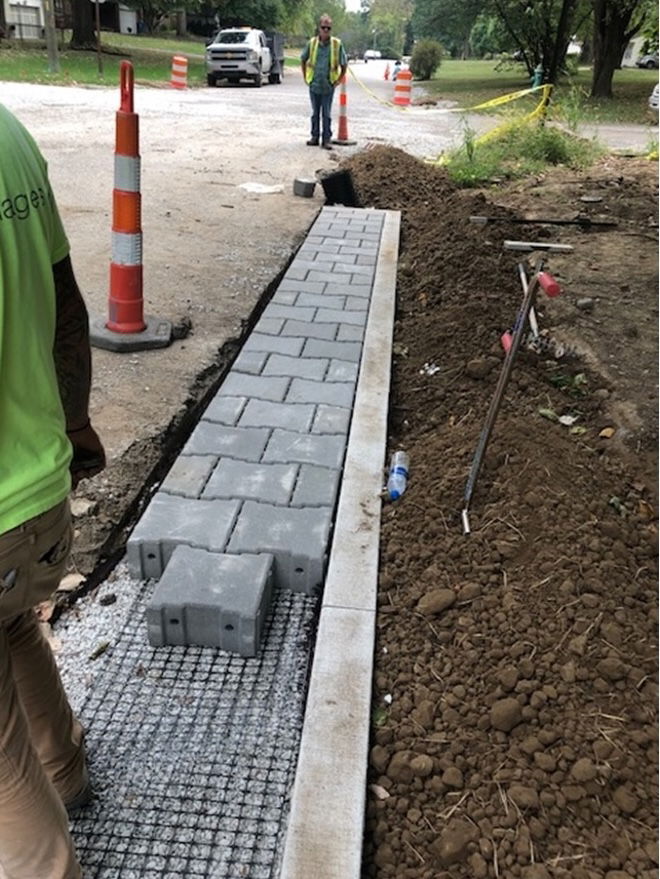
Stormwater Interview with Robert Page, P.E., Vice President, HNTB
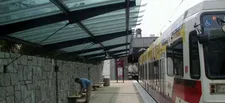
TriMet’s Banfield Type 1 Substation Replacement Project
February Issue 2026