2023 Morocco Earthquake – Situation Report #2
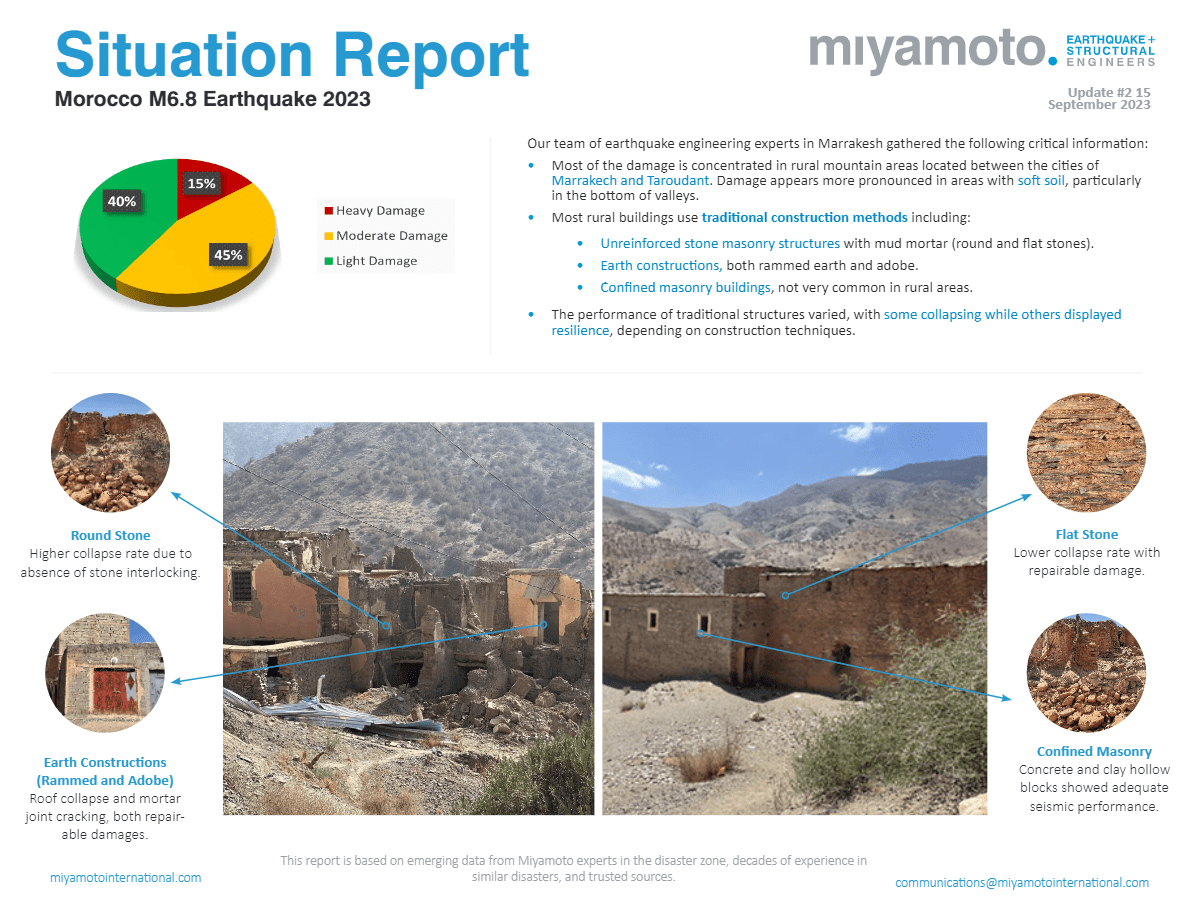
On Sunday, September 10, 2023, our team of earthquake engineering experts was deployed to Marrakesh in response to Morocco’s recent seismic event. Their mission is to assess structural damage and evaluate the overall impact of the earthquake on the region. So far, our experts have gathered the following critical information.
Most of the damage is concentrated in rural mountain areas, between the cities of Marrakech and Taroudant making access and rescue operations challenging. The affected construction types include various traditional building methods. Some of these traditional structures exhibited poor performance, resulting in varying degrees of collapse, while others demonstrated strong resilience and withstood the earthquake. The outcome depended on the specific construction techniques used.
Preliminary assessments indicate that approximately 15% of the structures have sustained heavy damage, 45% moderate damage, and 40% remain in relatively good condition on average.
In the assessment of traditional construction techniques, two main categories emerged: Unreinforced stone masonry structures with mud mortar, and earth constructions, which encompassed rammed earth and adobe construction methods.
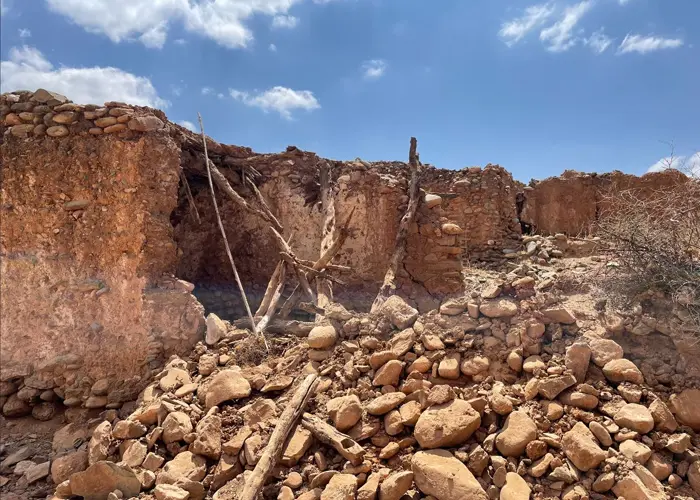
Within this category, two distinct typologies were identified: round stones and flat stones. Round stones exhibited inadequate seismic performance primarily due to the absence of stone interlocking, resulting in common damage patterns such as wall and roof collapse. On the contrary, flat stones showed better seismic performance, leading to lower collapse rates. The most common damage observed in flat stones construction included roof collapse and mortar joint cracking, both of which are repairable.
This category includes both rammed earth and adobe construction techniques. Rammed earth structures were characterized by compacted layers of local soil. Common damage in these buildings comprised of roof collapse and mortar joint cracking, which were also found to be repairable. Adobe construction, made from local soil with similar characteristics to rammed earth, displayed a seismic performance profile comparable to that of rammed earth construction.
This construction technique involved the use of concrete or clay hollow blocks. Confined masonry buildings demonstrated adequate seismic performance, although common damage patterns still included roof collapse.
At present, there has been minimal response from international NGOs. However, a few domestic organizations are providing assistance and support. The army has initiated efforts to clear roads and facilitate access for relief teams and supplies.
We will continue to monitor the situation closely and provide updates as additional information becomes available.
Extensive Damage in High Atlas Range and Remote Areas
Most of the damage is concentrated in rural mountain areas, between the cities of Marrakech and Taroudant making access and rescue operations challenging. The affected construction types include various traditional building methods. Some of these traditional structures exhibited poor performance, resulting in varying degrees of collapse, while others demonstrated strong resilience and withstood the earthquake. The outcome depended on the specific construction techniques used.
Preliminary assessments indicate that approximately 15% of the structures have sustained heavy damage, 45% moderate damage, and 40% remain in relatively good condition on average.
Traditional Architectural Characteristics
In the assessment of traditional construction techniques, two main categories emerged: Unreinforced stone masonry structures with mud mortar, and earth constructions, which encompassed rammed earth and adobe construction methods.
Unreinforced Stone Masonry Structures with Mud Mortar
Within this category, two distinct typologies were identified: round stones and flat stones. Round stones exhibited inadequate seismic performance primarily due to the absence of stone interlocking, resulting in common damage patterns such as wall and roof collapse. On the contrary, flat stones showed better seismic performance, leading to lower collapse rates. The most common damage observed in flat stones construction included roof collapse and mortar joint cracking, both of which are repairable.
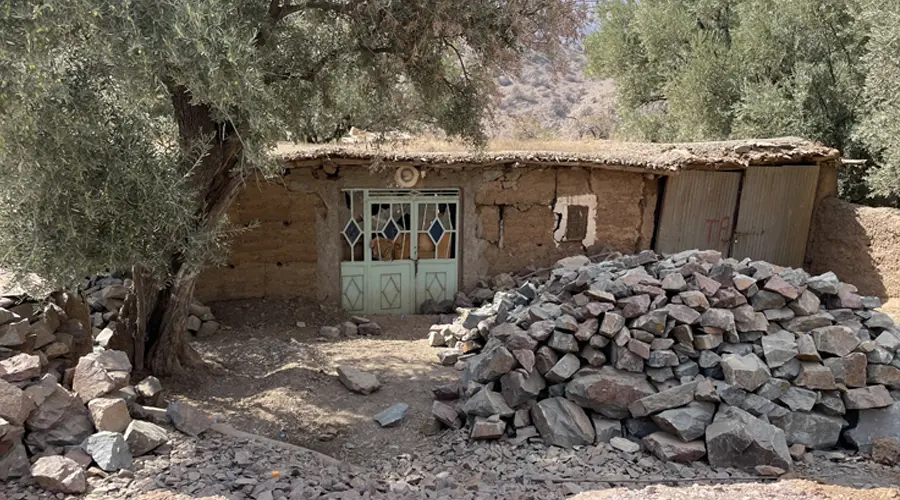
Earth Constructions
This category includes both rammed earth and adobe construction techniques. Rammed earth structures were characterized by compacted layers of local soil. Common damage in these buildings comprised of roof collapse and mortar joint cracking, which were also found to be repairable. Adobe construction, made from local soil with similar characteristics to rammed earth, displayed a seismic performance profile comparable to that of rammed earth construction.
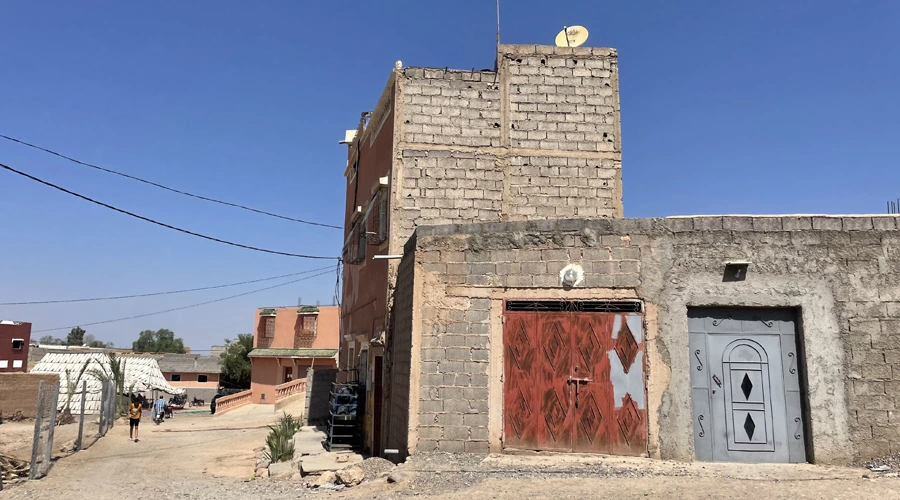
Confine Masonry Buildings
This construction technique involved the use of concrete or clay hollow blocks. Confined masonry buildings demonstrated adequate seismic performance, although common damage patterns still included roof collapse.
At present, there has been minimal response from international NGOs. However, a few domestic organizations are providing assistance and support. The army has initiated efforts to clear roads and facilitate access for relief teams and supplies.
We will continue to monitor the situation closely and provide updates as additional information becomes available.
Author

Parul Dubey
Stormwater Interview with Robert Page, P.E., Vice President, HNTB
TriMet’s Banfield Type 1 Substation Replacement Project

February Issue 2026