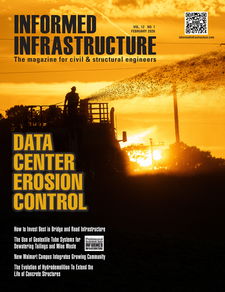
Infrastructure Outlook: Geographic Information Systems: A Tool for Innovative Governing
Geographic Information Systems (GISs) are powerful technology tools used across various sectors, including utilities and commercial industries, to store, visualize and interpret geographic data. Although GIS might seem like a modern innovation, it actually dates back to 1854. Today, GIS is widely used by local, state and national governments for numerous applications such as tracking disease spread (e.g., COVID-19) and assessing the impact of weather events. As new capabilities emerge, GIS is be...

Achieving Net Zero by 2050: $139 Trillion Sustainable Infrastructure Investment Needed
Under current governmental decarbonization policies, global sustainable infrastructure investment is estimated to remain at around US$2t per year, with cumulative investment between 2020 and 2050 totaling around US$75t. This is a significant investment but still insufficient to achieve net zero. In fact, it is only just over half of the actual investment required. Our analysis — conducted with the International Federation of Consulting Engineers (FIDIC) — shows that, cumulatively, US$139t needs...

Decarbonizing Infrastructure: Why Data, Collaboration and PAS 2080 Are Critical to Success
In the UK, construction activity accounts for around 50m tonnes of CO2 emissions , with cement and steel used for infrastructure being significant contributors. For the UK to meet its statutory climate targets, a whole lifecycle approach must be adopted to ensure the design, execution and ope...
From the Editor: Resilience: A Journey Through Climates and Time
I just reread Maria Lehman’s excellent column in the 2024 Sustainable Engineering Issue of Informed Infrastructure, “Engineers Must Share Their Infrastructure Stories.” It’s full of facts and data about our needs, but what I found most interesting is how it stresses our role in passing on the infrastructure message to whoever we can, whenever we can. I tell my students—senior civil and environmental engineers—that they’re moving into the workforce at a great time to provide work on projects tha...

Transportation Troubleshooting: Modular Construction at Airports: Three Key Considerations for Time-Saving Options
As airports grow and modernize to meet consumer expectations and accommodate technological advances, they face the challenge of maximizing their ability to make improvements while minimizing the impact a major construction program will have on customers and day-to-day operations. Since comprehensive airport-improvement projects require years of construction, it’s critical to avoid costly shutdowns, disruptions and delays for airlines and passengers whenever possible. For some airports, that sol...

Thoughts From Engineers: Investigating Biodiversity and Resilience
Extreme weather events such as the 2018-2020 drought in central Europe, the 2022 heat wave and drought in the wider European region, and other record-breaking events across the planet are becoming common. The International Panel on Climate Change issued statements in recent years regarding the effect such weather and climate-driven events have had on ecosystems, rates of species decline and biodiversity across the globe. Some in the scientific community suspect that the more biodiverse an ecosys...

Executive Corner: Gen X Takes Over the C-Suite, With a Little Help From the Millennials
In 2024, the youngest of the Baby Boomers will turn 60, and by the end of the decade, all members of this generation will exceed age 65 (the average retirement age in the United States). The A/E and environmental-consulting sector has been in the midst of ownership transition between the Boomers and their younger counterparts for the last decade or more. However, the transition of C-suite leadership from the Boomers to Gen X and the Millennials is a more-recent development and presents its own c...

Water Works: Realize the Benefits of Nationally Recognized MTD Performance-Verification Protocols
In a previous professional capacity, I managed a post-construction stormwater management program for a relatively small locality. It was a fulfilling role, although perhaps not outwardly glamorous. It was a “one-man-band” situation—I joke that the only thing I didn’t have to do was serve as the animal control officer. Resources were tight, time was valuable and prioritizing tasks became necessary. Redundancy was to be avoided, unless I was filling out triplicate forms for any expenditure. This...

Engineering the Future: Streamlined Contract Documents Will Revolutionize Infrastructure Project Delivery
While you were sleeping, Santa brought an early present this year: federal acknowledgement that there are high-quality, balance-risk contract documents that can be used as templates and model language in infrastructure delivery. The Engineering Joint Contract Document Committee (EJCDC) has been hard at work during the last two years to get their documents approved for federal contracts. The EJCDC is a joint venture of the American Society of Civil Engineers (ASCE), the American Council of Engin...

Change Leader: Prioritize Resilient Design, Especially in Hurricane-Prone Areas
In hurricane-prone areas, prioritizing resilient design features such as reinforced structures, stormwater management systems and backup power solutions is crucial but often overlooked. These elements can significantly mitigate damage during emergencies, ensuring buildings and infrastructure withstand severe weather conditions. Firsthand Experience I have firsthand knowledge when it comes to the impact of a storm surge, including when I experienced Hurricane Andrew. Although this was considere...
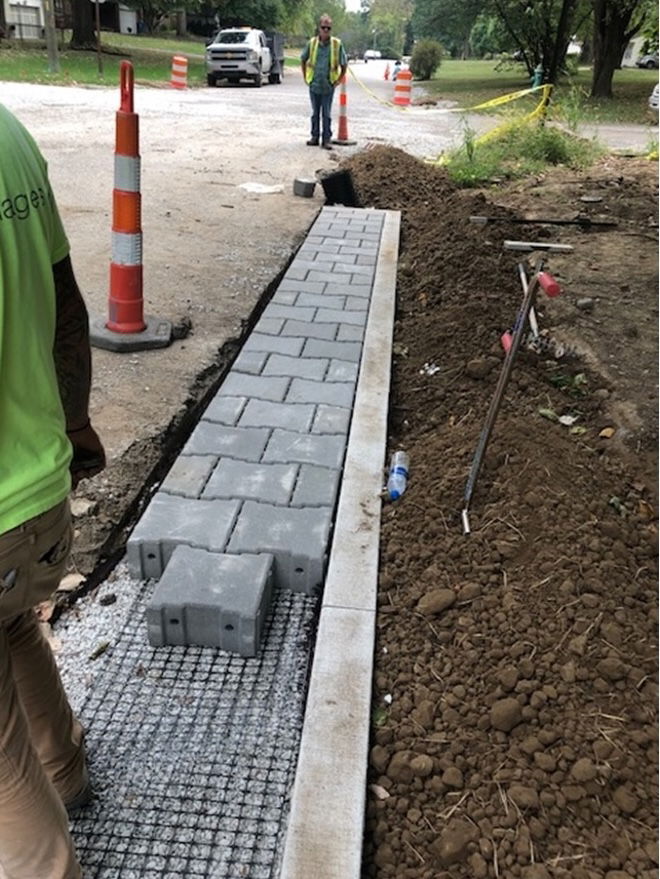
Stormwater Interview with Robert Page, P.E., Vice President, HNTB
TriMet’s Banfield Type 1 Substation Replacement Project

February Issue 2026