Getting Geotechnical: Calming the Storm with ESCS
Storm intensity and the loss of pervious surfaces pose significant challenges for infrastructure design. When stormwater is unable to drain properly, it can flood around buildings. Unfortunately, extended saturated conditions can damage aging foundations and erode soils, potentially leading to uneven settlement, cracking and bowing. But complex stormwater solutions can be cost- and maintenance-intensive, making them impractical for many projects. To meet the challenge, low-impact development te...

Thoughts From Engineers: Designing for the Next Storm
Civil engineers use a range of hydrologic methodologies and software—from the widely used Rational Method to U.S. Army Corps of Engineer’s HEC-HMS to the Environmental Protection Agency’s SWMM and countless others—to model the flow of surface runoff and design stormwater management systems suited to a specific level of acceptable flood risk. So long as rainfall patterns remained consistent with historical Intensity Duration Frequency (IDF) curves, our models—and the resulting infrastructure—held...

Engineering The Future: The Future Starts Now
Maria Lehman will be writing a regular column for Informed Infrastructure, starting with this April 2024 issue. Shortly after becoming ASCE president, she was interviewed for an April 2022 cover feature: bit.ly/3IkrT1a. “Engineering” and “passion” are two words rarely seen together, so when they are used collectively, you can’t help but pay attention. I have an incredible passion for engineering and how it creates the foundation for a healthy, prosperous and resilient future. I’m very tha...

From the Editor: Looking Into the 2023 Rearview Mirror
We experienced some major events in 2023—some exceptionally good and others rather distressing. This review is a somewhat personal look at some of the positive developments and accomplishments, especially in the world of infrastructure and events that affected me (and, I suspect, many of you). Except for this statement, I will refrain from discussing the obvious wars and destruction that affect so many people in the world, and I hope peace soon will come. The Economy It’s difficult for me to u...

Executive Corner: Five Takeaways on 2023 A/E M&A Activity
Despite an overall slump in M&A deal volume globally, the A/E industry wrapped up 2023 with yet another busy year of elevated activity. Shrugging off recession worries and higher interest rates, confident strategic and financial buyers showed no signs of slowing down their appetite for synergistic targets across a variety of disciplines. With a relentless war for talent and favorable design outlook as tailwinds, organizations are boldly seeking to transform, diversify and scale to position thems...

Transportation Troubleshooting: Let’s Look at Vision Zero for a New Road Safety Mindset
I remember when automobile drivers and passengers could legally choose not to wear seat belts. Since the mid-1980s, legislators have taken away that choice in every state except for New Hampshire. But the result—thousands of lives saved and serious injuries prevented—has undoubtedly been worth giving up the dubious freedom to go beltless. Better Vision Today, as we see roadway fatalities rising and a disturbing 50-percent increase in pedestrian deaths during roughly the last decade, many trans...
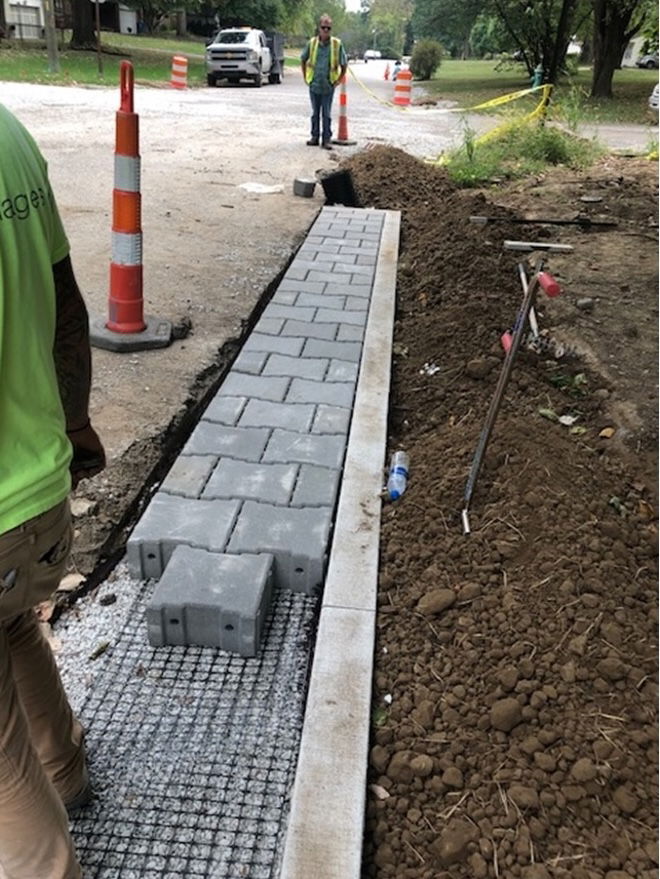
Thoughts From Engineers: Peeling Back the Pavement to Manage Stormwater in Great Lakes Communities
Urban spaces have evolved through the decades to reflect the needs of the people who live there. Through time, we buried wetlands to build roads and paved stream corridors and other natural spaces to drive water efficiently to the nearest exit. We built the infrastructure necessary to move wastewater and imposed uniformity and order with parking lots, buildings and other hardscapes. For decades, our engineering held up masterfully until the intensity of recent storm events overwhelmed even the m...

Decarbonizing Infrastructure: Why Data, Collaboration and PAS 2080 Are Critical to Success
In the UK, construction activity accounts for around 50m tonnes of CO2 emissions , with cement and steel used for infrastructure being significant contributors. For the UK to meet its statutory climate targets, a whole lifecycle approach must be adopted to ensure the design, execution and ope...

How AI and Cloud Technology Are Driving Digital Disruption in Capital Infrastructure
The capital infrastructure industry is ripe for disruption. According to a recent survey conducted by KPMG, more than two-thirds (69 percent) of capital construction projects are delivered late and over budget. At a time when countries such as the United States are investing heavily in new infrastructure projects as part of broad-sweeping government initiatives, costly delays and over-stretched budgets are becoming a real cause for concern. The days of overpromising and underdelivering are comin...

Water Works: Making Stormwater Control Measures More Resilient
Resiliency can be defined as the ability to bounce back under stress, and it’s an important topic as it relates to stormwater infrastructure. More-resilient stormwater control measures (SCMs) must be designed to meet tomorrow’s design needs. Across the globe, communities are facing increasing stressors brought on by stronger, more frequently occurring storms associated with climate change. These intense events exacerbate existing drainage issues created by increasing urbanization within our com...
Stormwater Interview with Robert Page, P.E., Vice President, HNTB
TriMet’s Banfield Type 1 Substation Replacement Project

February Issue 2026